
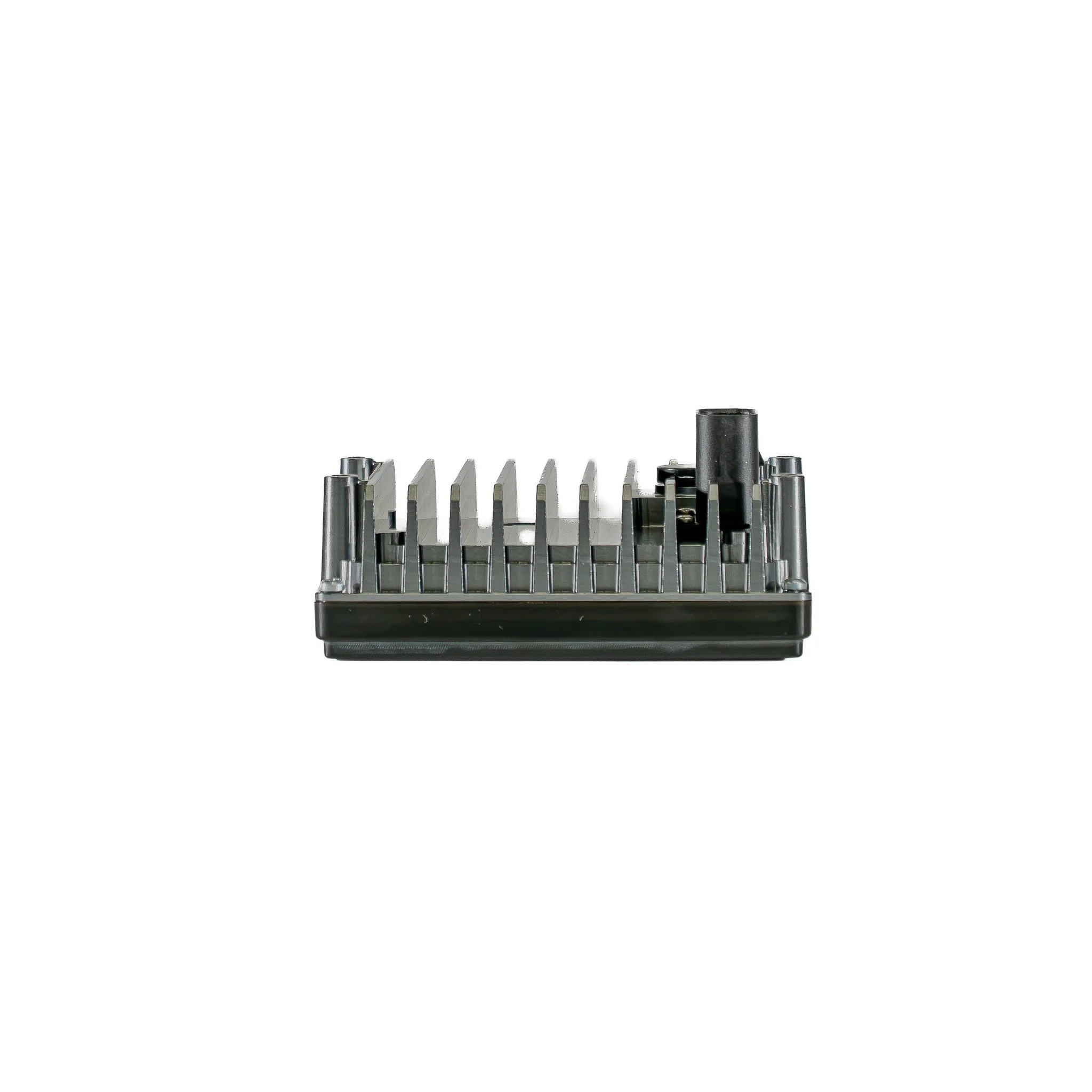
zPULSE 2.0
Compact, High-Resolution, Long-Range Software-Defined Imaging Radar
zPULSE 2.0
Compact, High-Resolution 4D Software-Defined Imaging Radar
zPULSE 2.0 generates high-density, ultra-pure 4D point clouds for safety, perception, mapping, and navigation, all within a compact and energy-efficient design. Built on Zadar’s SDIR™ (Software-Defined Imaging Radar) platform and operating in the 76–81 GHz band, zPULSE 2.0 delivers enhanced angular precision and point cloud clarity.
Built to perform in rain, fog, dust, and snow, its solid-state architecture keeps maintenance low, making zPULSE 2.0 well suited for perimeter security, autonomous navigation, smart buildings, mapping, terrain profiling, and radar-camera fusion, whether stationary or mobile.
zPULSE 2.0 is more than a high-performance radar. Built on our third-generation digital beamforming architecture and SDIR platform, it offers drop-in hardware and software compatibility with zPRIME 3.0 and edge-optimized processing that delivers real-time point cloud, object list, and RCS outputs for low-latency perception.
One platform. Three layers of software.
zPULSE 2.0 is part of the broader Zadar sensing and perception platform. RSP Core provides flexible operating modes and industry-leading point cloud output. RDP Developer provides data-processing toolboxes to process for you to build custom perception solutions using radar. RSP Studio gives advanced teams the ultimate control over RF parameters and signal processing performance.
Built for Interference-Heavy Environments
Class-leading null steering suppresses jammers and in-band interference, so zPULSE 2.0 maintains reliable object detection even with up to 20 nearby active radars. It works indoors and outdoors, including GPS-denied environments.
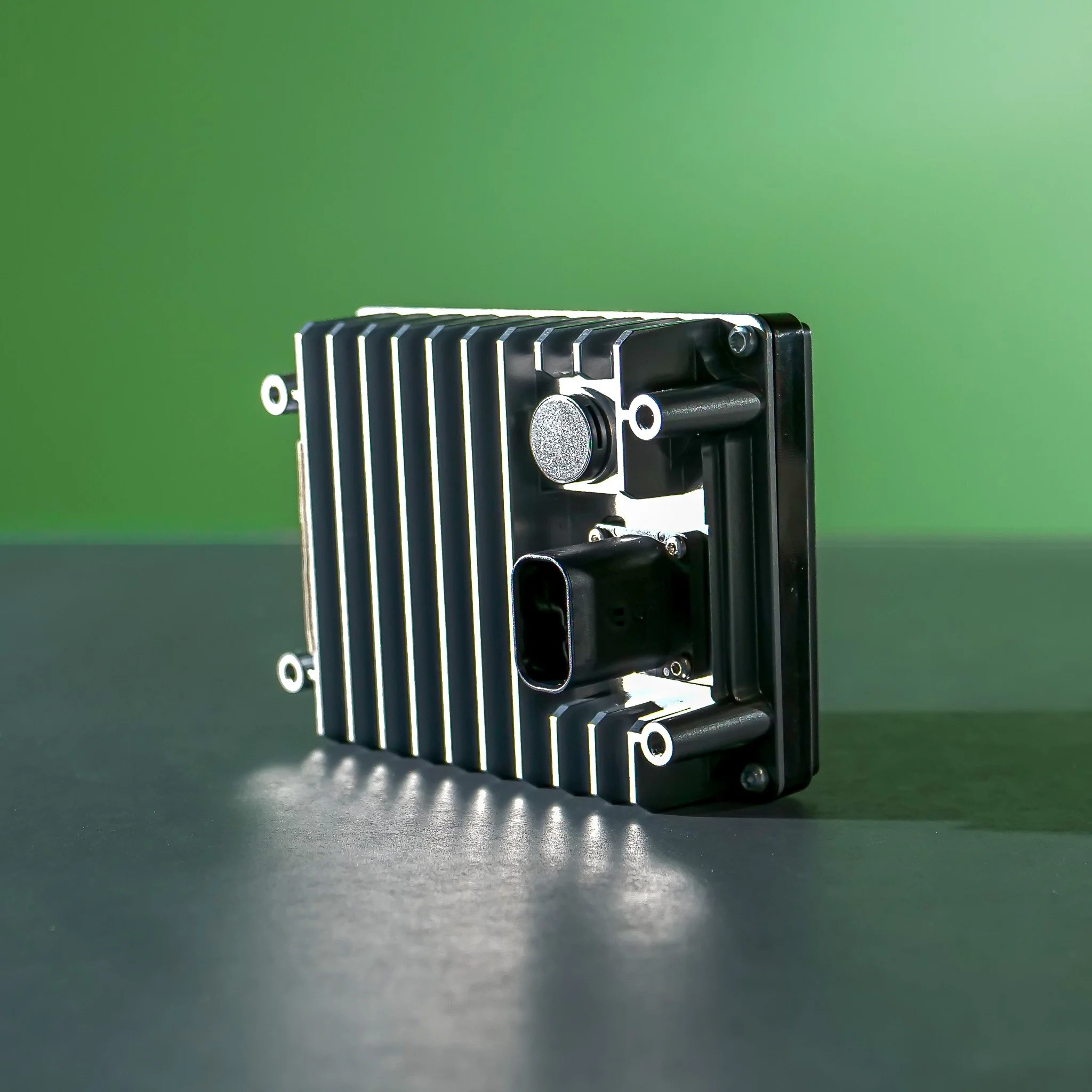
How much you build is your call.
Customers can deploy zPULSE 2.0 as a standalone radar sensor, develop their own perception stack with RDP Developer, or use a complete Zadar solution, all while retaining the same underlying sensor platform.
| zPULSE 2.0 Specifications 120° × 90° · 77 GHz · IP68 | |
|---|---|
| Radar performance | |
| Frequency | 76–81 GHz |
| Field of View | 120° × 90° |
| Static Angular Resolution | 0.7° × 3.2° |
| Angular Accuracy | ±0.05° |
| Truck Detection | > 650 m |
| Car Detection | > 350 m |
| Human Detection | > 140 m |
| Instrumented Range | 0.1 – 800 m |
| Range Resolution | 0.034 m |
| Range Accuracy | 0.01 m |
| Doppler Ambiguity | 143.4 m/s |
| Doppler Resolution | 0.1 m/s |
| Frame Time | 40 ms / 25 Hz |
| Dynamic Range | 118 dB |
| Hardware | |
| Hardware Dimensions | 100 × 78 × 35 mm |
| Weight | 250 g |
| Weather Proofing | IP68 (2-meter) |
| Operating Temperature | −40 to 85 °C |
| Power Supply | 9–24 V DC (12 V nominal) |
| Power Consumption | 10 W |
| Interface | 1000BASE-T1 |
| Lifetime (MTBF) | > 150,000 hours |
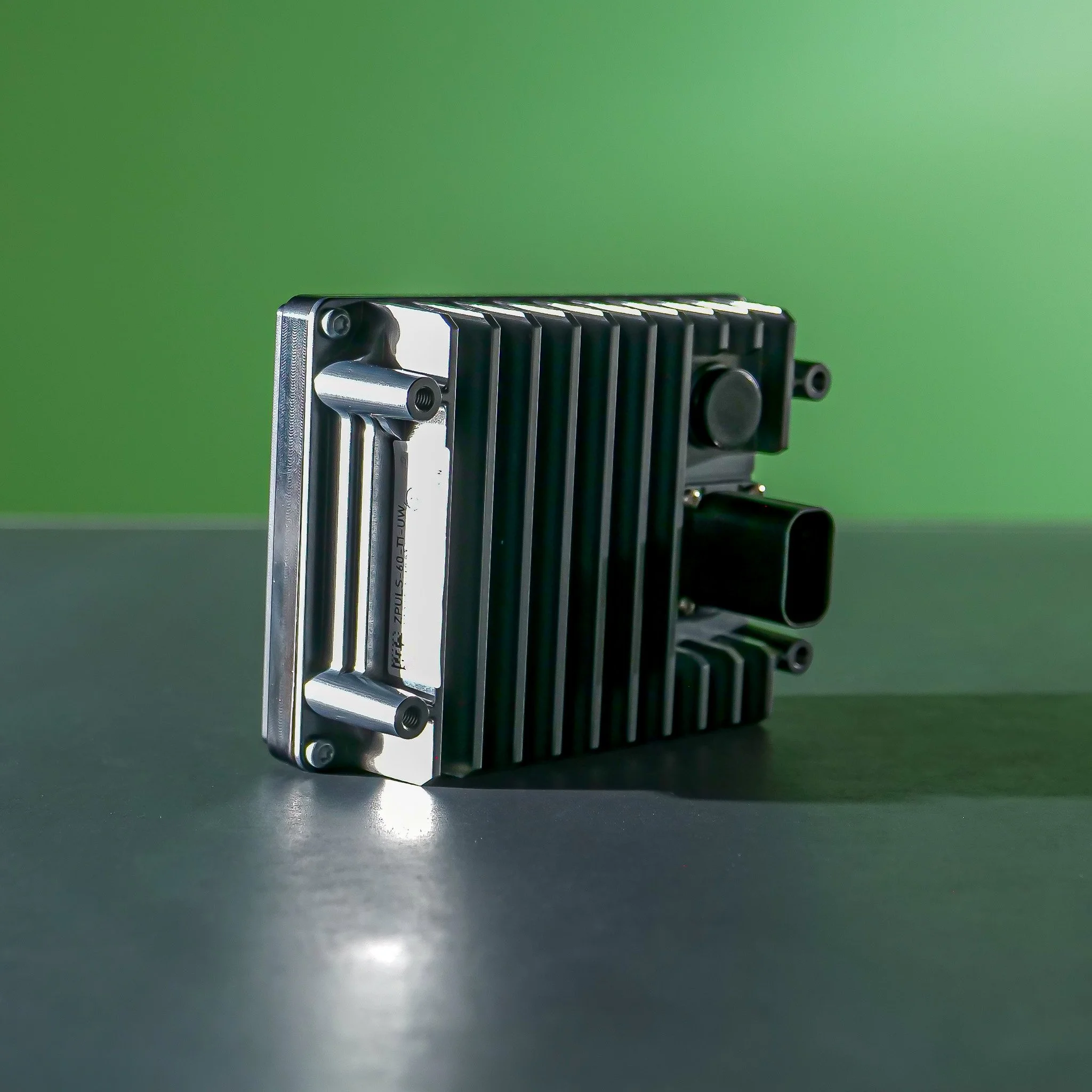
Tell us what you need to see.
Send us the scene, the mounting height, the coverage, the weather, the thing that has to be detected before it matters. We'll tell you which configuration fits, and whether radar is the right answer at all.